Choose a Crypto Lending Platform
Navigate the complex world of digital asset lending platforms with confidence. Learn the key criteria for evaluating security, rates, insurance, and user experience to make informed decisions in 2025.
Introduction
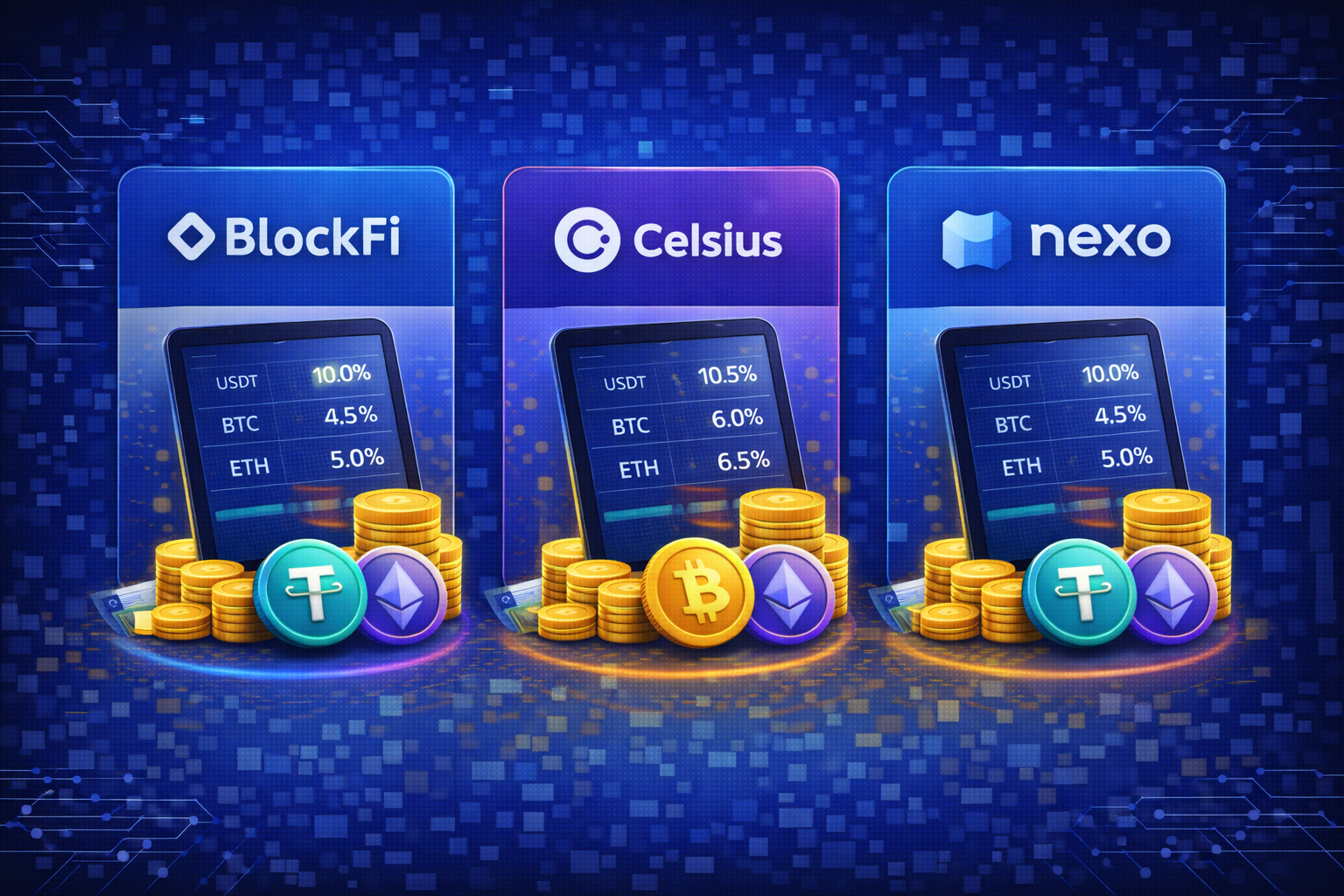
Celsius lost $4.7 billion in customer funds. BlockFi went bankrupt from FTX exposure. Voyager, Hodlnaut, Vauld — the list of failed lending platforms is long and painful. Every one of these collapses was preventable if users had applied basic due diligence before depositing funds.
Choosing a crypto lending platform in 2025 is fundamentally harder than it was in 2021. The industry has fewer platforms, stricter regulations, and a justified trust deficit after the collapses.
For UK-based investors, the landscape is further complicated by FCA restrictions that block access to certain products and platforms. You cannot simply pick the highest yield and hope for the best — that approach destroyed billions in customer funds.
The specific criteria that matter have shifted since the collapses. Proof of reserves, once a niche concern, is now a baseline requirement. Insurance coverage claims need scrutiny — Celsius had "insurance" that covered virtually nothing when it mattered.
Regulatory status still matters, but read it precisely: the EU's MiCA framework leaves crypto lending and borrowing outside its scope, so a MiCA licence covers a platform's trading and custody arms rather than its lending product, and the UK's FCA cryptoasset regime is an anti-money-laundering registration rather than prudential consumer protection.
This guide gives you a concrete checklist for evaluating any lending platform before you deposit a single pound. The framework covers five areas in order of importance: security and audit status, regulatory compliance, rate sustainability, insurance coverage, and platform features. If a platform fails on security, nothing else matters — skip it regardless of the yield.
The practical reality in 2025: sustainable lending yields range from 3-8% for stablecoins and 1-4% for BTC/ETH. Any platform consistently offering above 15% APY should trigger immediate scepticism. The platforms that survived 2022-2023 did so because they maintained conservative LTV ratios and segregated customer funds. Transparent proof of reserves belongs in a different category — it is a disclosure practice rather than a protective one, describing what a platform holds at a moment in time rather than stopping it from losing what it holds. This guide helps you identify which platforms still meet those standards.
Choose between two fundamental approaches: CeFi platforms (Nexo, Ledn) where the platform manages everything but holds your keys, or DeFi protocols (Aave, Compound) where smart contracts handle lending automatically but you need technical knowledge to participate safely. Most investors should start with a regulated CeFi platform for simplicity, then explore DeFi once they understand smart contract risks.
By the end of this guide, you will have a scored evaluation framework, a 10-point due diligence checklist, specific platform recommendations by risk profile, and clear red flags that should trigger an immediate exit. Whether you are depositing your first £500 or managing a six-figure lending portfolio, the same principles apply.
Platform Evaluation Framework
Selecting the right crypto lending platform needs a step-by-step check across many dimensions. Security should always be your top priority, followed by regulatory compliance and sustainable business models.
Quick check checklist
- Security: Audits, insurance, track record
- Compliance: Regulatory status, licensing
- Rates: Competitive but sustainable yields
- Transparency: Clear terms, proof of reserves
- Support: Responsive customer service
1. Security & Risk Assessment
Platform Security Fundamentals
Security should be your primary concern when choosing any digital asset lending service. The collapse of several major platforms in recent years highlights the importance of thorough due diligence.
Comprehensive security check involves examining many layers of protection, from technical infrastructure to operational procedures. This multi-faceted approach helps identify possible vulnerabilities before they become critical issues.
Key Security Factors to Evaluate
- Custody model: Self-custody (DeFi) vs custodial (CeFi) approaches
- Security audits: Recent third-party security assessments
- Insurance coverage: Protection against hacks and operational failures
- Regulatory compliance: Licensed operations in major jurisdictions
- Track record: Years of operation without major incidents
Red Flags to Avoid
- Platforms offering unrealistic yields (>25% APY consistently)
- Lack of transparency about business model or fund usage
- No clear regulatory status or licensing
- History of security breaches or operational issues
- Anonymous teams or unclear corporate structure
- No independent audits or proof of reserves
Comprehensive Due Diligence Process
Conducting thorough due diligence on crypto lending platforms needs a step-by-step approach. This Examines many risk factors and operational aspects:
Financial Health Assessment
- Revenue Model Analysis: Understand how the platform generates revenue and whether it's sustainable long-term
- Capital Adequacy: Evaluate the platform's capital reserves. Ability to withstand market stress
- Liquidity Management: Assess how the platform manages liquidity risks and withdrawal demands
- Proof of Reserves: Look for regular attestations, and check whether they state total client liabilities as well as holdings — assets on their own show what a platform has, not whether it has more than it owes
- Financial Reporting: Review any available financial statements or transparency reports
- Funding Sources: Understand where the platform obtains capital. Whether it relies on external funding
Proof of reserves needs a caveat at this point, because the term does not mean the same thing at every platform. Kraken includes total client liabilities in every exercise and makes a point of separating that from the platforms that publish holdings alone. It also publishes the limits of its own artefact: proof of reserves demonstrates control of funds on-chain at the time of the review, and cannot prove exclusive control of the private keys, cannot rule out hidden encumbrances over the assets, and cannot show that the funds were not borrowed for long enough to pass the check. When the platform with the strongest practice writes down what its own transparency exercise does not prove, read that as the ceiling on everybody else's version of it.
Operational Risk Evaluation
- Management Team: Research the background. Experience of key executives and founders
- Corporate Structure: Understand the legal entity structure and jurisdiction of operations
- Business Continuity: Evaluate disaster recovery plans and operational resilience measures
- Third-Party Dependencies: Assess reliance on external service providers. Possible single points of failure
- Scalability: Consider whether the platform can handle growth without compromising security or service quality
- Technology Infrastructure: Evaluate the robustness. Scalability of the underlying technology platform
Advanced Security Analysis
Beyond basic security measures, advanced users should evaluate advanced security practices and risk management frameworks:
- Multi-Signature Security: Verify the use of multi-signature wallets. Proper key management practices
- Cold Storage Ratios: Understand what percentage of funds are kept in offline cold storage versus hot wallets
- Security Incident Response: Review the platform's history of handling security incidents and communication during crises
- Penetration Testing: Look for evidence of regular security testing by independent third parties
- Bug Bounty Programs: Check if the platform maintains active bug bounty programs to identify vulnerabilities
- Compliance Monitoring: Evaluate ongoing compliance monitoring and reporting mechanisms
Regulatory Landscape and Compliance
The regulatory environment for crypto lending continues to evolve rapidly. Making compliance assessment crucial for platform selection:
Jurisdiction-Specific Considerations
- United States: SEC regulations, state money transmitter licences, and possible securities law implications
- European Union: MiCA regulations, national licensing requirements, and consumer protection measures
- United Kingdom: FCA registration requirements and consumer credit regulations
- Singapore: MAS licensing for digital payment token services and complete regulatory framework
- Switzerland: FINMA regulations for financial intermediaries and banking licence requirements
- Canada: Provincial securities regulations and federal anti-money laundering requirements
Compliance Best Practices
- KYC/AML Procedures: Robust identity verification and anti-money laundering compliance
- Consumer Protection: Clear terms of service, dispute resolution mechanisms, and fair lending practices
- Data Protection: GDPR compliance. Proper handling of personal information
- Financial Reporting: Regular financial disclosures and transparency in operations
- Risk Disclosures: Clear communication of risks associated with lending activities
- Regulatory Engagement: Active engagement with regulators. Participation in industry standards development
Advanced Risk Management Strategies
Sophisticated investors should use complete risk management strategies when using crypto lending platforms:
Portfolio Diversification Approaches
- Platform Diversification: Spread lending across many platforms to reduce concentration risk
- Geographic Diversification: Use platforms in different jurisdictions to reduce regulatory risk
- Asset Diversification: Lend different cryptocurrencies to reduce correlation risk
- Term Diversification: Mix short-term and long-term lending positions for liquidity management
- Strategy Diversification: Combine CeFi and DeFi lending approaches for balanced exposure
Risk Monitoring and Management
- Regular Platform Assessment: Continuously monitor platform health and performance metrics
- Position Sizing: Limit exposure to any single platform based on risk tolerance
- Exit Strategies: Develop clear criteria for withdrawing funds from platforms
- Insurance Considerations: Evaluate available insurance options and coverage limits
- Stress Testing: Model portfolio performance under many market stress scenarios
- Liquidity Planning: Maintain adequate liquid reserves for unexpected needs
Technology and Innovation Assessment
Evaluating the technological sophistication. Innovation capacity of lending platforms helps identify long-term winners:
Platform Technology Evaluation
- User Interface Quality: Assess the usability. Functionality of web and mobile interfaces
- API Capabilities: Evaluate API quality for automated trading and portfolio management
- Security Infrastructure: Review the technical security measures and architecture
- Scalability: Consider the platform's ability to handle growth and increased transaction volume
- Innovation Pipeline: Assess the platform's commitment to developing new features and services
- Integration Capabilities: Evaluate how well the platform integrates with other DeFi protocols and services
Future-Proofing Considerations
- Regulatory Adaptability: Assess the platform's ability to adapt to changing regulatory requirements
- Market Evolution: Consider how the platform might evolve with changing market conditions
- Technology Upgrades: Evaluate the platform's track record of implementing technology improvements
- Competitive Positioning: Assess the platform's competitive advantages and market position
- Partnership Strategy: Review strategic partnerships and ecosystem integrations
- Community Engagement: Evaluate the strength. Engagement of the platform's user community
Technical Security Assessment
Conduct a thorough technical check before committing funds:
Smart Contract Analysis (for DeFi)
- Audit reports: Review recent audits from reputable firms (ConsenSys, Trail of Bits, OpenZeppelin)
- Code verification: Check if contracts are verified on Etherscan/block explorers
- Bug bounty programs: Active programs indicate ongoing security commitment
- Time locks: Administrative functions should have time delays
- Multi-signature requirements: Critical functions need many approvals
Infrastructure Security (for CeFi)
- Cold storage percentage: What portion of funds are kept offline
- Hot wallet limits: Maximum amounts kept in online wallets
- Security certifications: SOC 2, ISO 27001, or similar standards
- Penetration testing: Regular third-party security assessments
- Employee security training: Human factor risk mitigation
Financial Health Assessment
Proof of Reserves Disclosure
Read this group as a transparency check rather than as evidence of financial health. It tells you what a platform is prepared to show and how often it shows it; whether the platform is sound is a judgement you still have to make from its revenue model, its liquidity management and its funding sources.
- Real-time attestations: Automated proof of reserve systems
- Third-party audits: Independent verification of asset holdings
- Transparency reports: Regular disclosure of asset/liability ratios
- On-chain verification: Publicly verifiable wallet addresses
Business Model Sustainability
- Revenue sources: Clear explanation of how platform generates income
- Cost structure: Understanding of operational expenses
- Funding history: Venture capital backing and financial stability
- Profitability metrics: Evidence of sustainable business operations
Historical Platform Failures: Lessons learnt
Studying past failures reveals patterns you can use to spot danger signs early. Each collapse below had warning signs visible weeks or months before users lost access to funds.
Case Study: Celsius Network Collapse
- Warning signs: Unsustainable yield promises, lack of transparency
- Business model flaws: Risky investments, poor risk management
- Regulatory issues: Operating without proper licences
- Lessons: Importance of regulatory compliance and conservative strategies
Case Study: BlockFi Bankruptcy
- Exposure risks: Heavy exposure to FTX and Alameda Research
- Counterparty risk: Concentration in single borrower
- Regulatory pressure: SEC enforcement actions
- Lessons: Diversification and regulatory clarity importance
Case Study: Terra/Anchor Protocol
- Unsustainable mechanics: 20% APY backed by token inflation
- Algorithmic stablecoin risk: UST depeg and death spiral
- Ecosystem collapse: Interconnected protocol failures
- Lessons: Understanding underlying mechanisms and sustainability
Custody Models Comparison
Your choice of custody model determines who holds your private keys and, ultimately, who controls your funds. This decision affects every other aspect of your lending experience.
| Model | Control | Security | Complexity | Best For |
|---|---|---|---|---|
| CeFi (Custodial) | Platform controls keys | Platform-dependent | Low | Beginners |
| DeFi (Self-custody) | User controls keys | User-dependent | High | Advanced users |
| Hybrid | Shared control | Mixed | Medium | Intermediate users |
2. Regulatory Compliance & Licensing
Why Regulation Matters
Regulatory compliance provides key protections and oversight. Licensed platforms must meet capital requirements, undergo regular audits, and follow consumer protection guidelines.
The difference between regulated and unregulated platforms became starkly visible during the 2022 collapses. Celsius operated without proper licensing in most jurisdictions, which meant no regulator was monitoring its risk-taking. In contrast, platforms pursuing FCA registration or EU authorisation faced closer scrutiny of their ownership and anti-money-laundering controls — though it is worth being precise: FCA cryptoasset registration is an anti-money-laundering regime and does not itself mandate minimum capital buffers or the segregation of customer funds from operational accounts.
Key Regulatory Jurisdictions
- United States: SEC, CFTC, and state-level licensing
- European Union: MiCA regulation and national licences
- United Kingdom: FCA registration and authorisation
- Singapore: MAS licensing for digital payment tokens
- Switzerland: FINMA banking and securities licences
Compliance Checklist
Before depositing funds on any platform, verify these compliance indicators. A platform that satisfies all five points is significantly less likely to face a sudden regulatory shutdown that freezes your assets.
- Valid licences in operating jurisdictions
- Clear terms of service and privacy policies
- KYC/AML procedures for user onboarding
- Regular regulatory filings and disclosures
- Compliance with local tax reporting requirements
3. Interest Rates & Yield Analysis
Understanding Rate Structures
Not all yields are created equal. Understanding how platforms generate returns is crucial for assessing sustainability and risk.
Sustainable yield generation needs transparent business models and diversified revenue streams. Platforms offering unrealistic returns often rely on unsustainable practices that eventually lead to collapse.
Common Yield Sources
- Lending to borrowers: Traditional lending with collateral
- Market making: Providing liquidity to trading pairs
- Staking rewards: Participating in proof-of-stake networks
- Arbitrage trading: Exploiting price differences across markets
- Token incentives: Platform or protocol token rewards
Rate Sustainability Indicators
| Yield Range | Sustainability | Risk Level | Typical Source |
|---|---|---|---|
| 1-5% | High | Low | Staking, conservative lending |
| 5-12% | Medium | Medium | Active lending, market making |
| 12-20% | Low | High | Leveraged strategies, new tokens |
| 20%+ | Very Low | Very High | Unsustainable incentives |
Rate Comparison Factors
When comparing rates across platforms, look beyond the headline APY figure. The effective yield you actually receive depends on several factors that platforms do not always make obvious upfront.
- Base APY: Core interest rate before bonuses
- Promotional rates: Time-limited higher yields
- Tier structures: Different rates for different balance levels
- Compounding frequency: How often interest is calculated
- Fee deductions: Platform fees that reduce net yield
4. Insurance & Asset Protection
Types of Protection
Insurance in digital asset lending is complex and varies largely between platforms. Understanding what is and isn't covered is essential before depositing funds.
Most CeFi platforms advertise insurance figures prominently, and the first thing to establish about any headline number is whose it is. Nexo publishes no coverage figure of its own; the ~$775M headline was a 2022–23 figure, and the cover that exists today is a custodian's. Ledger, one of the custodians Nexo uses, publishes a pooled programme underwritten by Arch Insurance (UK) Limited and shared across all of Ledger's enterprise clients rather than set aside for any one platform (read 22 August 2026). Marsh brokered that cover and Lloyd's is the market it was placed into; neither is a party a depositor could claim against, so a marketing page that lists all three names together is describing one policy rather than three layers of protection. Sort the names before you count the figure, and note what the policy answers for: theft at the custodian, not the platform becoming insolvent.
Coinbase carries a commercial crime policy covering theft of a portion of its custodial crypto — sized to its hot-wallet holdings — including theft by employees and physical breaches; what it does not cover is loss from a compromise of your own account credentials. Always read the actual policy terms, not the marketing headline.
Insurance Coverage Types
- Custodial insurance: Protection against theft of platform-held funds
- Smart contract insurance: Coverage for DeFi protocol failures
- Operational insurance: Protection against internal fraud or errors
- Regulatory insurance: Coverage for compliance-related losses
Common Exclusions
- Market volatility and price declines
- Platform insolvency or bankruptcy
- Regulatory actions or sanctions
- User error or compromised accounts
- Acts of war or natural disasters
Alternative Protection Mechanisms
Since traditional insurance often falls short of full coverage, many platforms rely on structural protections built into their lending models. These mechanisms reduce the likelihood of losses rather than compensating you after the fact.
- Over-collateralisation: Borrowers post excess collateral
- Reserve funds: Platform-maintained emergency funds
- Diversification: Spreading risk across many borrowers
- Real-time monitoring: Automated risk management systems
The Claim Window
There is one more way for cover to fail, and neither list above contains it: the clock. When a platform fails, money does not reach you through the insurer. It reaches you through an estate, and an estate runs on deadlines — a bar date for filing claims, a verification step, a window for responding to a request for information. Miss the one that applies to you and the coverage carries on existing without covering you.
Terraform Labs is the cleanest instance on the public record. Its crypto-loss claims window closed on 16 May 2025 at 11:59 p.m. Eastern. Kroll, the notice and claims agent to the Wind Down Trust, states that the bar date has passed, that holders who did not file are barred both from asserting those claims and from receiving distributions from the Wind Down Trust, and that relief now requires filing a motion on the docket which the Plan Administrator may oppose. Nothing in that outcome turns on how much was eventually recovered. It turns on a date.
Treat this as the normal shape of a failure rather than as bad luck. BlockFi's estate set an identity-verification deadline, separate for the non-US cohort, which passed in May 2025. Celsius has run more than one deadline, and some of them start from the date an individual email was sent rather than from any date published on a website — which means the clock a particular creditor is on may never appear on a public calendar at all. Three estates, three different mechanisms, and in each case the money existed and the route to it closed.
The version of this you can act on is a question asked before you deposit, not after. Where would this platform publish a claim deadline if it entered an insolvency process — its own status page, a court docket, an appointed claims agent's site — and how would that notice reach you if the email address on your account had lapsed? Support desks answer that question in writing, and the answer is worth more than the coverage headline it sits behind. A platform that has thought about how its creditors would be found has thought about failure; a platform that treats the question as hypothetical has also told you something.
5. Platform Features & User Experience
Essential Features
Platform features become important only after security, compliance, and rate sustainability pass your checks. However, the quality of the user experience directly affects how well you can monitor your positions, react to market changes, and execute withdrawals when needed.
- User interface: Intuitive dashboard and navigation
- Mobile access: Responsive web or native mobile apps
- Asset variety: Support for many cryptocurrencies
- Flexible terms: Various lending periods and conditions
- Reporting tools: Transaction history and tax reporting
Advanced Features
These features matter primarily for experienced users managing larger portfolios. If you are just starting out, focus on the essentials above and revisit advanced features once your lending strategy is established.
- API access: Programmatic trading and management
- Automated strategies: Set-and-forget investment options
- Risk management: Stop-loss and position sizing tools
- Multi-signature security: Enhanced account protection
- Institutional services: White-glove service for large accounts
Customer Support Evaluation
- Live chat: ~5-minute response, available 24/7. Look for knowledgeable agents who can resolve issues on first contact.
- Email support: ~24-hour response, typically business days only. Expect detailed written responses with follow-up tracking.
- Phone support: ~10-minute wait, business hours only. Best for complex issues that require direct conversation.
- Help centre: Immediate access, available 24/7. Quality platforms maintain comprehensive guides and FAQs.
Advanced Platform Comparison Framework
Multi-Dimensional Evaluation System
Utilise this complete framework to evaluate. Compare many lending platforms step by step. This method incorporates both quantitative metrics and qualitative assessments.
Detailed Scoring Methodology
Security Assessment (30% Weight)
| Factor | Rating 5 | Rating 3 | Rating 1 |
|---|---|---|---|
| Security Audits | Multiple recent audits by top firms | Some audits, reputable firms | No audits or low-quality audits |
| Insurance Coverage | Comprehensive coverage >$100M | Limited coverage $10-100M | No insurance or unclear coverage |
| Track Record | 3+ years, no major incidents | 1-3 years, minor issues resolved | 1 year or major security breaches |
| Custody Model | Multi-sig, cold storage >95% | Good security practices | Unclear or poor custody practices |
Regulatory Compliance (25% Weight)
- Licensing: Score 5 for multiple major-jurisdiction licences, 3 for home-jurisdiction licence only, 1 for no clear licensing or regulatory status.
- Transparency: Score 5 for regular reports with proof of reserves, 3 for some transparency with basic reporting, 1 for limited transparency and unclear operations.
- KYC/AML: Score 5 for robust and fully compliant procedures, 3 for standard procedures, 1 for weak or unclear compliance.
Rate Analysis (20% Weight)
- Competitiveness: Score 5 for top 20% of market rates, 3 for market-average rates, 1 for below-market rates.
- Sustainability: Score 5 for a clear, sustainable business model, 3 for a reasonable model with some concerns, 1 for an unsustainable or unclear model.
- Rate stability: Score 5 for stable rates with predictable changes, 3 for moderate volatility, 1 for highly volatile or unpredictable rates.

Comprehensive Evaluation Assessment
| Criterion | Weight | What to Evaluate | Platform A | Platform B |
|---|---|---|---|---|
| Security | 30% | Audits, insurance, track record, custody | Score A | Score B |
| Compliance | 25% | Licences, transparency, KYC/AML | Rating A | Rating B |
| Rates | 20% | Competitiveness, sustainability, stability | Grade A | Grade B |
| Features | 15% | Platform capabilities, ease of use, innovation | ___/5 | ___/5 |
| Support | 10% | Response time, quality, availability, resources | ___/5 | ___/5 |
| Total Rating | ___/5 | ___/5 | ||
Advanced Decision Framework
Risk-Adjusted Allocation Strategy
| Rating Range | Risk Level | Max Allocation | Recommended Use |
|---|---|---|---|
| 4.5-5.0 | Very Low | 40-60% | Core holdings, large amounts |
| 4.0-4.4 | Low | 25-40% | Secondary allocation, moderate amounts |
| 3.5-3.9 | Medium | 10-25% | Diversification, smaller amounts |
| 3.0-3.4 | Medium-High | 5-10% | Test allocation only |
| 2.0-2.9 | High | 1-5% | Experimental, very small amounts |
| 2.0 | Very High | 0% | Avoid completely |
Qualitative Assessment Factors
Beyond numerical ratings, consider these qualitative factors:
- Team reputation: Track record of founders and key personnel
- Community sentiment: User reviews and community feedback
- Innovation trajectory: Platform development and feature roadmap
- Market position: Competitive advantages and market share
- Partnership quality: Strategic partnerships and integrations
- Crisis management: How platform handled past challenges
Platform Testing Protocol
Systematic Testing Approach
- Research phase (1-2 weeks): Complete check using framework above
- Small test deposit ($100-500): Test platform functionality and user experience
- Monitoring period (1 month): Track performance, rates, and any issues
- Gradual scaling (2-3 months): Slowly increase allocation if performance meets expectations
- Full allocation (3+ months): Reach target allocation only after proven track record
Red Flag Monitoring
Continuously monitor for warning signs that might need immediate action:
- Withdrawal delays: Unusual delays in processing withdrawals
- Rate cuts: Sudden, unexplained reductions in interest rates
- Communication changes: Reduced transparency or evasive responses
- Regulatory issues: New regulatory challenges or enforcement actions
- Market rumours: Persistent negative rumours or speculation
- Technical issues: Frequent platform downtime or security concerns
Scoring platforms one at a time tells you whether each clears your bar. It does not tell you which to choose when two of them clear it, because the framework produces a number per platform and not a ranking. Once you have a shortlist, set those platforms against each other on identical criteria — this side-by-side comparison of the main lending platforms puts rates, custody model and protection claims in one table, which is the quickest way to see where a difference between two platforms is real and where it is only a difference in how each describes itself.
Top Digital Asset Lending Services
Centralised Finance (CeFi) Platforms
CeFi platforms handle custody, lending, and interest distribution on your behalf. The trade-off is straightforward: you sacrifice control over your private keys in exchange for a simpler user experience and typically faster customer support.
Nexo
- Strengths: competitive rates, broad asset range, custody held with third parties that carry their own theft cover
- Regulatory status: not yet MiCA-authorised (CASP application pending); EEA services run via partner licences rather than a Nexo authorisation
- Rates: Up to 8% on stablecoins, 4% on BTC/ETH
- Custodial-hack cover: Ledger's, not Nexo's — a pooled programme underwritten by Arch Insurance (UK) Limited and shared across Ledger's enterprise clients; the ~$775M was a 2022–23 headline and Nexo publishes no current figure of its own. Custodian theft only, not deposit insurance
- Best for: European users, security-conscious investors
Binance Earn
- Strengths: Largest exchange, variety of products, high liquidity
- Rates: Variable, often promotional offers
- Features: Flexible and locked savings, DeFi staking
- Best for: Active traders, diverse strategies
Coinbase
- Strengths: US regulation, public company, institutional grade
- Rates: Conservative but stable returns
- Security: Strong track record, limited crime policy on hot-wallet crypto (not deposit insurance)
- Best for: US users, institutional investors
Decentralised Finance (DeFi) Protocols
DeFi protocols operate through smart contracts on public blockchains. You retain custody of your funds, interest rates adjust algorithmically based on supply and demand, and all transactions are verifiable on-chain. The downside is that you bear full responsibility for wallet security, gas fees, and smart contract risk.
Aave
- Strengths: Leading DeFi protocol, multi-chain support
- Features: Flash loans, E-Mode, isolation mode
- Security: Multiple audits, bug bounty program
- Best for: DeFi experienced users, developers
Compound
- Strengths: Pioneer in DeFi lending, proven track record
- Features: Algorithmic interest rates, governance tokens
- Transparency: Open source, on-chain data
- Best for: DeFi purists, long-term holders
Advanced Risk Management Strategies
Multi-Layer Diversification Framework
Platform Diversification Strategy
BlockFi's collapse demonstrated why single-platform concentration is dangerous. Users who had 100% of their lending portfolio on BlockFi lost access to everything simultaneously. A simple split across two platforms in different jurisdictions would have preserved at least half their capital.
Effective diversification means spreading across platform types (CeFi and DeFi), jurisdictions (EU and non-EU), and asset classes (stablecoins and volatile assets). Each dimension reduces a different category of risk.
| Diversification Type | Minimum Platforms | Optimal Range | Risk Mitigation |
|---|---|---|---|
| Platform Type (CeFi/DeFi) | 2 | 3-4 | Technology and regulatory risk |
| Geographic Jurisdiction | 2 | 2-3 | Regulatory and political risk |
| Business Model | 2 | 3-4 | Strategy and execution risk |
| Asset Types | 2 | 4-6 | Market and correlation risk |
Strategic Asset Allocation
Conservative Portfolio (Risk Level 1-3)
- 60% established CeFi: Nexo, Coinbase, Kraken
- 30% Blue-chip DeFi: Aave, Compound
- 10% Liquid reserves: Immediate access funds
- Target APY: 4-8%
- Maximum drawdown tolerance: 10%
Balanced Portfolio (Risk Level 4-6)
- 40% Regulated CeFi: Mix of top-tier platforms
- 40% Established DeFi: Audited protocols with track record
- 15% Emerging opportunities: New but vetted platforms
- 5% Liquid reserves: Emergency access
- Target APY: 6-12%
- Maximum drawdown tolerance: 20%
Aggressive Portfolio (Risk Score 7-10)
- 25% Regulated CeFi: Stability anchor
- 35% Established DeFi: Proven protocols
- 30% Emerging DeFi: Higher-yield opportunities
- 10% Experimental: New protocols and strategies
- Target APY: 10-20%
- Maximum drawdown tolerance: 40%
Risk Monitoring and Alert Systems
Active monitoring is what separates investors who exit before a collapse from those who get caught in one. Set up automated alerts so you do not rely on manually checking each platform every day.
Automated Monitoring Setup
- Price alerts: Significant rate changes (±20%)
- News monitoring: Google Alerts for platform names
- Social sentiment: monitoring tools for X (formerly Twitter) and Reddit
- On-chain analytics: TVL and utilisation tracking
- Regulatory updates: Legal and compliance news feeds
Risk Escalation Procedures
Level 1 Alert (Minor Concerns)
- Triggers: Rate changes, minor news, technical issues
- Action: Increase monitoring frequency, research developments
- Timeline: Review within 24-48 hours
- Threshold: No immediate action needed
Level 2 Alert (Moderate Risk)
- Triggers: Regulatory issues, security concerns, management changes
- Action: Halt new deposits, prepare exit strategy
- Timeline: Decision within 24 hours
- Threshold: Consider reducing exposure by 25-50%
Level 3 Alert (High Risk)
- Triggers: Withdrawal delays, security breaches, insolvency rumours
- Action: Immediate withdrawal of all funds
- Timeline: Execute within hours
- Threshold: Complete exit from platform
Portfolio Rebalancing Strategies
As platform risk profiles and market conditions change, your initial allocation will drift from target weights. Systematic rebalancing ensures you are not inadvertently over-exposed to a platform whose risk score has deteriorated.
Systematic Rebalancing Rules
Time-Based Rebalancing
- Monthly: Minor adjustments (±5% allocation)
- Quarterly: Moderate rebalancing (±15% allocation)
- Annually: Complete strategy review and overhaul
- Tax considerations: Time rebalancing for optimal tax treatment
Threshold-Based Rebalancing
- Deviation trigger: When allocation differs by >20% from target
- Performance trigger: When platform underperforms by >30%
- Risk trigger: When platform risk score changes by >2 points
- Opportunity trigger: When new platform scores >4.5
Exit Strategy Framework
Planned Exit Scenarios
- Profit taking: Systematic withdrawal at predetermined levels
- Risk reduction: Gradual exit as risk tolerance changes
- Better opportunities: Migration to higher-scoring platforms
- Life events: Liquidity needs for personal circumstances
Emergency Exit Procedures
- Immediate withdrawal: For Level 3 risk alerts
- Partial withdrawal: Reduce exposure while monitoring
- Gradual exit: Systematic reduction over time
- Complete migration: Move to alternative platforms
Advanced Risk Metrics
Portfolio Risk Calculations
Value at Risk (VaR) Estimation
- 1-day VaR: Maximum expected loss in 24 hours (95% confidence)
- 30-day VaR: Maximum expected loss in one month
- Stress test scenarios: Performance under extreme market conditions
- Correlation analysis: How platforms move together during crises
Risk-Adjusted Return Metrics
- Sharpe ratio: Return per unit of risk
- Sortino ratio: Return per unit of downside risk
- Maximum drawdown: Largest peak-to-trough decline
- Recovery time: Time to recover from maximum drawdown
Insurance and Protection Strategies
Platform-provided insurance rarely covers 100% of deposits. For larger portfolios, supplementing with third-party DeFi insurance or maintaining a self-insurance reserve provides an additional safety layer.
Third-Party Insurance Options
Nexus Mutual is effectively the only live on-chain cover provider in 2026, holding roughly 85 per cent of the DeFi-cover market; most other on-chain mutuals — InsurAce and Unslashed among them — have wound down or gone dormant, so you should not rely on them being available when you need to claim. For custodial platforms, some traditional insurers underwrite crypto custody cover, but read the scope carefully: such policies protect the custodian against theft of keys, not you against the platform becoming insolvent. Treat any "insured" badge as a prompt to read the actual policy, not as depositor protection.
Self-Insurance Strategies
- Emergency fund: 3-6 months expenses in standard assets
- Diversification premium: Accept lower yields for reduced risk
- Position sizing: Never risk more than you can afford to lose
- Gradual scaling: Increase exposure slowly over time
Monitoring and Review Process
Ongoing monitoring is not optional. The investors who escaped Celsius and BlockFi with their funds intact were those who monitored actively and acted on early warning signs rather than waiting for official announcements.
Comprehensive Review Schedule
Daily Monitoring (5 minutes)
- Check for major news or alerts
- Review platform status pages
- Monitor large rate changes
- Verify no withdrawal issues
Weekly Review (30 minutes)
- Analyse performance vs benchmarks
- Review risk metrics and alerts
- Check for new platform developments
- Update monitoring spreadsheets
Monthly Analysis (2 hours)
- Comprehensive platform health check
- Rebalancing decisions and execution
- Tax planning and record keeping
- Strategy performance check
Quarterly Deep Dive (4 hours)
- Complete platform re-check using framework
- Market condition analysis and strategy adjustment
- Risk tolerance and goal reassessment
- New platform research and check
Advanced Platform Analysis: What the Numbers Tell You
The 5 Numbers That Matter Most
When evaluating any lending platform, these are the concrete metrics that separate safe platforms from risky ones:
- TVL trend (not just total): Check DeFiLlama for 90-day TVL direction. A platform with $500M TVL that was $800M three months ago is losing users — a red flag regardless of the yield offered
- Audit recency: Audits older than 12 months are effectively meaningless. Major protocols like Aave get audited every 6 months. If you cannot find a recent audit report, treat the platform as unaudited
- Utilisation rate: For DeFi lending pools, check what percentage of deposited funds are actually lent out. Above 85% utilisation means withdrawal liquidity is thin — you may struggle to exit during a crash. Below 40% means the platform is not generating enough interest to sustain its rates
- Insurance coverage ratio: divide what is covered by what is deposited — but first check whether the platform publishes a current figure at all. Nexo does not: the ~$775M it quoted in 2022–23 is historical, and the cover that exists sits with its custodians and is pooled across their other clients, so no figure divides sensibly into Nexo's deposits. Where a platform does publish a live figure, coverage worth less than 10% of deposits is largely symbolic; a platform that publishes none has already answered the question
- Withdrawal processing time: Test this with a small amount before committing. If a platform takes more than 24 hours to process a withdrawal, that is a warning sign
Platform-Specific Red Flags from 2022-2023 Collapses
Every major platform failure shared common warning signs that were visible weeks or months before collapse:
- Celsius: Offered 17% on stablecoins whilst Aave offered 3%. The 14% gap was the risk premium you were not being compensated for. When rates are 3-4x the DeFi market rate, the platform is taking risks with your funds that are not disclosed
- BlockFi: Had $1.2B exposure to a single counterparty (FTX/Alameda). Check platform transparency reports for counterparty concentration. Any platform with more than 25% exposure to a single borrower is dangerously concentrated
- Anchor/Terra: The 20% APY was funded by a yield reserve that was visibly depleting. The reserve balance was public, and anyone who checked it could see it would run out in months. Always check where the yield comes from
Practical Due Diligence Checklist
Before depositing any funds, complete every item on this checklist. If you cannot answer "yes" to at least 8 of 10, do not deposit:
- Can you find the company's registered address and jurisdiction?
- Has the platform been audited by a recognised firm (Trail of Bits, OpenZeppelin, ConsenSys) within the last 12 months?
- Does the platform's proof of reserves state total client liabilities as well as holdings, and is it verified by a third party?
- Are the offered rates within 2x of the equivalent DeFi market rate?
- Has the platform operated for at least 2 years without a major security incident?
- Can you withdraw a test deposit within 24 hours?
- Is the platform licensed or registered in at least one major jurisdiction (US, EU, UK, Singapore)?
- Does the platform clearly explain how it generates yield?
- Are the terms of service clear about what happens to your funds during insolvency?
- Does the platform have a public bug bounty programme?
Advanced Platform Selection and Professional Implementation
Recommended Platform Combinations by Risk Profile
Based on the evaluation framework above, here are concrete starting points for different investor profiles:
- Conservative (target 3-6% APY): 70% in Nexo or Coinbase stablecoin savings, 30% in Aave USDC pool. Maximum single-platform exposure: 50% of lending portfolio
- Balanced (target 5-10% APY): 40% established CeFi (Nexo), 40% blue-chip DeFi (Aave + Compound), 20% in cash reserves. Rebalance quarterly
- Aggressive (target 8-15% APY): 30% CeFi as stability anchor, 40% established DeFi, 25% newer DeFi with higher rates, 5% cash buffer. Monitor weekly and exit any platform showing red flags immediately
Whichever profile fits, follow the golden rule: never lend more than you can afford to lose entirely. Platform failures are not hypothetical — they happened to Celsius users, BlockFi users, and Voyager users within the same 6-month period.
Conclusion
The single most important lesson from the 2022-2023 platform collapses: security and transparency matter more than yield. A 3% return on a platform that survives beats a 15% return on one that freezes withdrawals and files for bankruptcy.
Use the 10-point checklist from this guide before depositing on any platform. Start with a small test deposit and a 30-day monitoring period before committing larger amounts. Spread your lending across 2-3 platforms in different jurisdictions (one CeFi, one DeFi minimum). Review each platform quarterly using the evaluation framework above, and exit immediately if you see withdrawal delays, sudden rate cuts without explanation, or negative audit findings.
The realistic yield expectations for 2025-2026: 3-6% on stablecoins from conservative platforms, 5-10% from balanced strategies mixing CeFi and DeFi, and 8-15% only if you accept higher risk and monitor actively. Anything above 15% APY sustained over months should trigger your scepticism, not your excitement.
If you are new to crypto lending, start with a single established CeFi platform like Coinbase (US-regulated and publicly listed) or Kraken (long operating record; its proof of reserves states client liabilities as well as holdings, which makes it more informative than most — though it is a disclosure practice, not a guarantee that your deposit is protected).
Deposit a small amount into a stablecoin savings product, monitor it for 30 days, and only scale up once you are comfortable with the withdrawal process and rate stability. Once you have 3-6 months of CeFi experience, consider allocating 20-30% to a blue-chip DeFi protocol like Aave for better transparency and self-custody.
For UK investors specifically, remember that HMRC treats lending interest as miscellaneous income, taxable at your marginal rate. Keep detailed records of every deposit, withdrawal, and interest payment from day one — reconstructing these records later is painful and error-prone. Consider using a crypto tax tool like Koinly or Summ to automate HMRC-compliant reporting.
The crypto lending market is smaller and more cautious than it was in 2021, but that is a feature, not a bug. The platforms that remain have stronger balance sheets, better regulation, and more transparent operations than their predecessors. Apply the framework in this guide consistently, and you can earn meaningful yield without repeating the mistakes that cost millions of investors their savings.
See also: Future of Crypto Lending
Sources & References
- SEC - Cyber, Crypto Assets and Emerging Technology
- DeFiLlama - Lending Protocols Analytics
- CoinDesk (crypto markets news)
- Nexus Mutual - DeFi Insurance Coverage
- Kroll Restructuring Administration – Terraform Labs Wind Down Trust (notice and claims agent; bar date and claim-window notices)
- Best Crypto Lending Platforms 2025
- How Secure Is Crypto Lending?
Frequently Asked Questions
- What matters most when choosing a lending platform?
- Security should be the top priority, followed by regulatory compliance, track record, insurance coverage, competitive rates, and user experience. Never compromise security for higher yields.
- Are higher interest rates always better?
- No. Higher yields often reflect higher risk. Sustainable rates typically range from 3% to 12% annually. Rates above 20% should be approached with extreme caution and thorough research.
- Do digital asset lending services insure deposits?
- Some platforms offer limited insurance coverage, but it's not as complete as standard banking. Always read the fine print about coverage limits, exclusions, and what events are covered.
- Should I use many lending platforms?
- Yes, diversification across 2–3 reputable platforms can help reduce the risk of a single point of failure. However, this increases complexity and management overhead.
- How do I evaluate platform security?
- Look for recent security audits, insurance coverage, regulatory compliance, a track record without major incidents, and Transparent communication about security practices.
- What are the tax implications of digital asset lending?
- Lending rewards are generally taxed as income when received. Maintain detailed records and consult a tax professional who is familiar with cryptocurrency regulations in your jurisdiction.
- Can I withdraw my funds anytime?
- This depends on the platform and the product type. Flexible products typically allow immediate withdrawal, whereas fixed-term products often come with penalties or lock-in periods.
- How do I start with digital asset lending?
- Start small with a reputable, regulated platform. Begin with stablecoins or major cryptocurrencies, thoroughly understand the terms, and increase your allocation gradually as you gain experience.
← Back to Crypto Investing Blog Index
Financial Disclaimer
This content is not financial advice. All information provided is for educational purposes only. Cryptocurrency investments carry significant investment risk, and past performance does not guarantee future results. Always do your own research and consult a qualified financial advisor before making investment decisions.